


Is Your Workplace Safety Program Actually Working?
Having a workplace safety program is only the beginning. How do you know whether it's actually working? Explore how ongoing employee training, regular program evaluations, and effective contractor communication help organizations strengthen workplace safety. Discover practical questions safety managers can ask to identify gaps, measure progress, and build a more effective safety program over time.

Is Your Workplace Safety Program Actually Working?
Having safety procedures, training, and protective equipment in place is important. But how do you know whether your safety program is actually working?
An effective workplace safety program requires ongoing training, regular evaluations, and clear communication as workplace conditions change.
Building on our first article, What Does a Good Workplace Safety Program Look Like?, let's explore three additional elements of OSHA's recommended safety program framework.
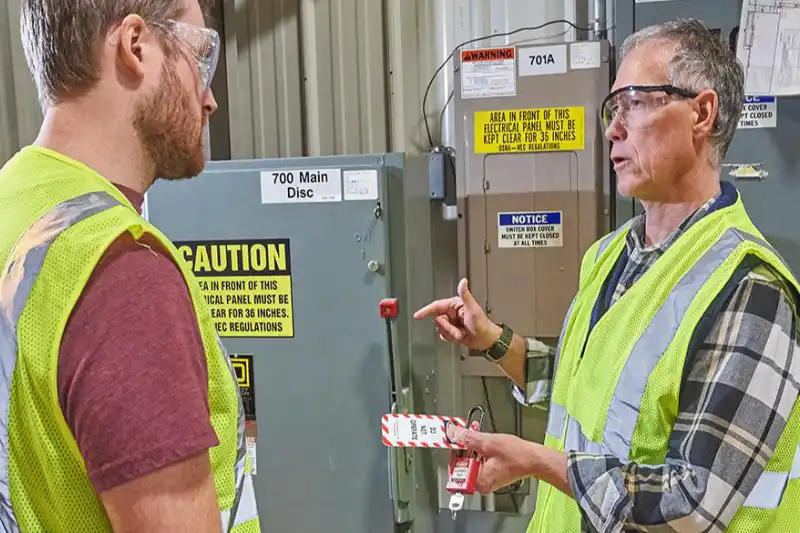
1. Education and Training
Employees must understand workplace hazards and know how to apply safety procedures.
Effective safety training includes:
-
Providing job-specific training and appropriate PPE instruction.
-
Reinforcing safe practices through refresher training.
-
Updating training when equipment, procedures, or hazards change.
Safety training should be ongoing—not simply an annual requirement.
2. Program Evaluation and Improvement
Workplace safety programs should evolve as operations, equipment, and employee responsibilities change.
Regular evaluations should include:
-
Reviewing inspections, incidents, and near-miss reports.
-
Tracking corrective actions and verifying their effectiveness.
-
Gathering employee feedback and updating safety procedures.
Continuous evaluation helps identify weaknesses before they contribute to workplace incidents.
3. Communication and Coordination
Industrial facilities frequently involve contractors, temporary workers, and multiple employers sharing the same worksite.
Effective coordination includes:
-
Communicating site-specific hazards and safety requirements.
-
Establishing clear responsibilities for hazard prevention.
-
Sharing emergency procedures and changes in working conditions.
Workplace safety must extend to everyone exposed to hazards—not just direct employees.
Is Your Safety Program Working? Seven Questions to Ask
Regularly reviewing your safety practices can help identify gaps and opportunities for improvement.
Ask yourself:
-
Are employees consistently following safety procedures?
-
Is safety training reinforced throughout the year?
-
Are workplace hazards identified before incidents occur?
-
Are corrective actions completed and verified?
-
Is PPE appropriate for identified workplace hazards?
-
Are contractors and temporary workers included in safety communications?
-
Is our safety program improving over time?
If you're uncertain about several answers, it may be time to evaluate your current safety practices.
Strengthen Your Workplace Safety Program
A successful safety program requires ongoing attention, practical improvements, and a commitment to protecting employees.
At Advanced Safety & Industrial Supply, we help businesses address workplace safety challenges through safety audits, employee training, compliance support, equipment testing and calibration, and industrial safety solutions.
Ready to evaluate your workplace safety program?
Explore our Workplace Safety Services to learn how Advanced Safety Supply can help your organization strengthen its safety program and protect its workforce.


