


Respiratory Protection Starts With Fit: Why Fit Testing Matters
A respirator can only protect workers if it fits properly. Learn why OSHA requires fit testing, how fit testing helps identify leaks and improper fit, and why respiratory protection programs should include routine evaluations to ensure employees receive the protection they need.
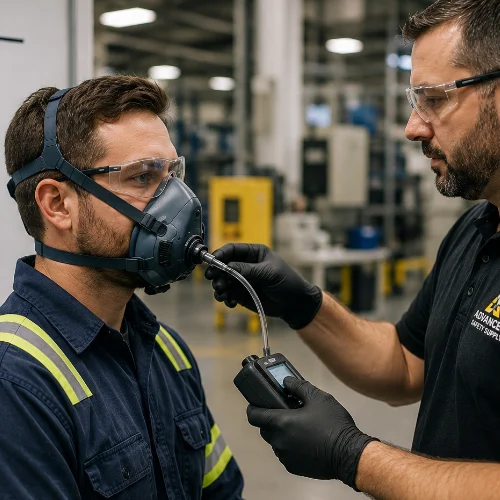
Many employers invest significant resources into respiratory protection programs.
They purchase approved respirators, train employees, and develop written procedures.
However, a respirator can only provide protection if it forms a proper seal against the wearer's face.
That's why OSHA requires fit testing for tight-fitting respirators.
Without fit testing, employees may unknowingly be exposed to airborne hazards despite wearing respiratory protection.
What Is Respirator Fit Testing?
Fit testing evaluates whether a respirator properly seals to an employee's face. Even small gaps can allow hazardous contaminants to bypass the respirator and enter the breathing zone.
Fit testing helps verify:
- Proper respirator selection
- Correct sizing
- Effective face seal
- Employee understanding of proper wear
A respirator that doesn't fit properly may not provide the protection employees expect.
Why OSHA Requires Fit Testing
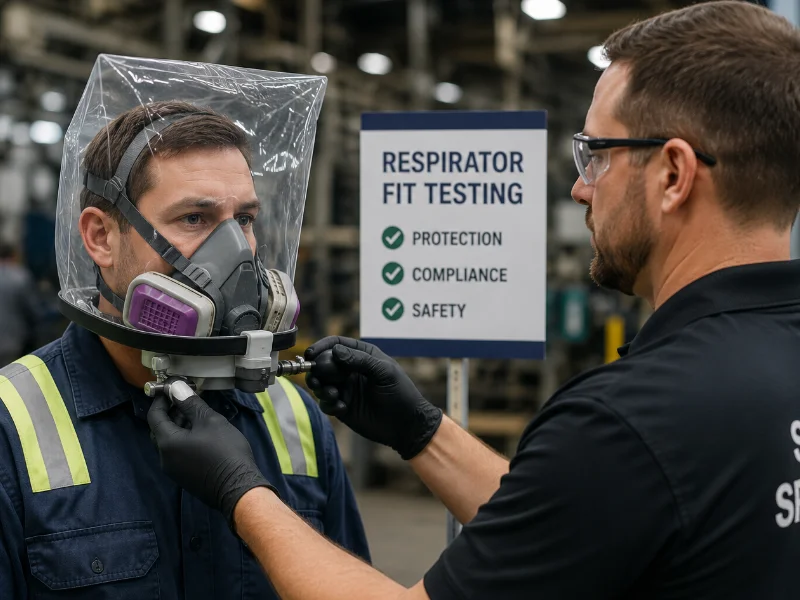
OSHA's Respiratory Protection Standard requires fit testing before an employee uses a tight-fitting respirator and periodically thereafter.
The purpose is simple:
To ensure the respirator actually protects the worker.
Fit testing helps identify issues that may otherwise go unnoticed, including:
- Incorrect respirator size
- Improper strap adjustment
- Facial hair interference
- Seal leaks
- Incorrect respirator selection
Common Reasons Employees Fail Fit Tests
Fit test failures are more common than many organizations realize.
Common causes include:
- Significant weight changes
- Facial hair
- Incorrect respirator model
- Damaged respirators
- Improper adjustment
- Changes in facial structure
A failed fit test is not a failure of the employee. It is an opportunity to find the correct respiratory protection solution.
Qualitative vs. Quantitative Fit Testing
Qualitative Fit Testing
Relies on the employee's ability to detect a taste, smell, or irritant.
Commonly used for:
- N95 respirators
- Half-mask respirators
Quantitative Fit Testing
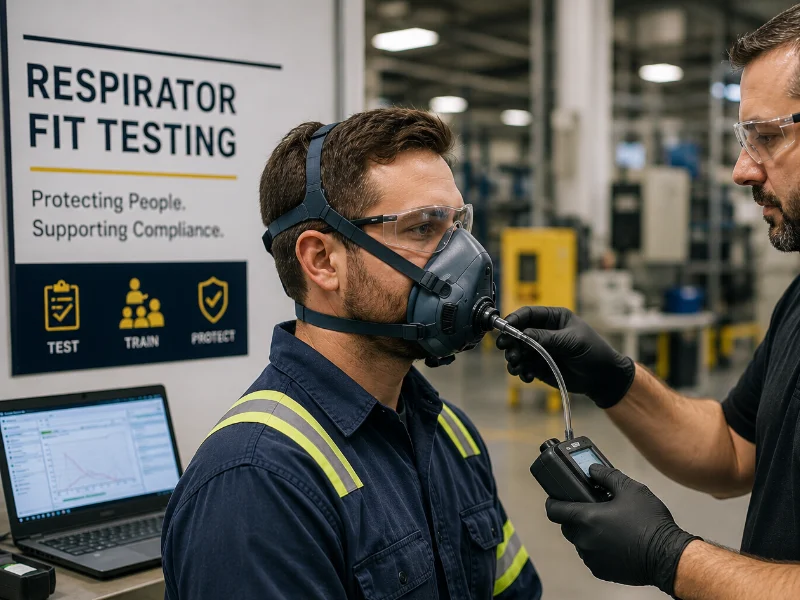
Uses specialized equipment to measure leakage and determine a numerical fit factor.
Often used when higher levels of respiratory protection are required.
How Often Should Respirators Be Fit Tested?
OSHA generally requires fit testing:
- Before initial use
- Annually
- When a different respirator is used
- After significant facial changes
Organizations should also reevaluate respirator fit whenever workplace conditions change.
Fit testing should be viewed as an ongoing component of respiratory protection—not a one-time event.
How Advanced Safety & Industrial Supply Can Help
Advanced Safety & Industrial Supply provides respirator fit testing services designed to help employers maintain compliance and protect workers from airborne hazards.
Our team can assist with:
- Qualitative fit testing
- Respiratory protection program support
- Respirator selection guidance
- OSHA compliance assistance
- Employee training
Don't Assume a Respirator Fits
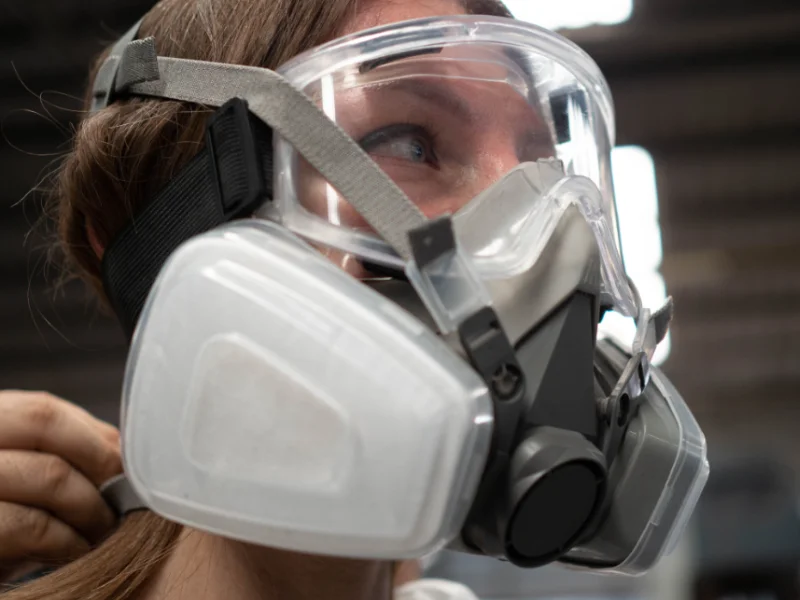
The best respirator in the world cannot protect an employee if it doesn't fit properly.
Fit testing helps verify protection, improve compliance, and strengthen respiratory safety programs.
Organizations that prioritize fit testing are better positioned to protect workers and reduce exposure risks.
Need Respirator Fit Testing?
Advanced Safety & Industrial Supply provides onsite respirator fit testing and respiratory protection support for employers throughout the region.
Schedule Respirator Fit Testing Today

RELATED BLOG LINKS
- Why Annual Safety Training Isn't Enough
- Preparing for an OSHA Inspection Before OSHA Arrives
- Can You Spot Every Hazard? Why Facility Safety Audits Matter
- Industrial Hygiene Services: Identifying Hidden Workplace Hazards
- Confined Space Training: Protecting Workers in High-Risk Environments


