


Gas Detector Calibration Services: Why Accuracy Can Save Lives
Gas detectors only protect workers when they provide accurate readings. Routine calibration and bump testing help ensure monitors respond correctly before employees enter hazardous environments. Learn why regular gas detector calibration is one of the most important components of an effective workplace safety program.
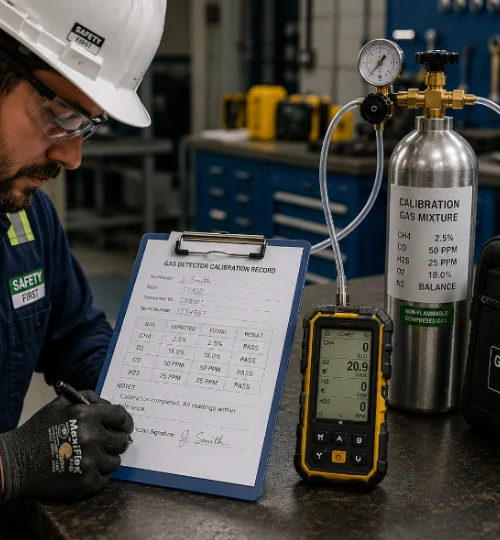
When workers rely on portable gas detectors to warn them of hazardous atmospheres, accuracy isn't optional—it can be the difference between a safe workday and a serious incident. Gas detectors help identify oxygen-deficient environments, combustible gases, and toxic contaminants before employees are exposed. However, these instruments are only effective when they are properly maintained and routinely calibrated.
Regular calibration ensures your gas detection equipment performs according to manufacturer specifications, giving workers confidence that the readings they depend on are accurate every time they enter potentially hazardous environments.
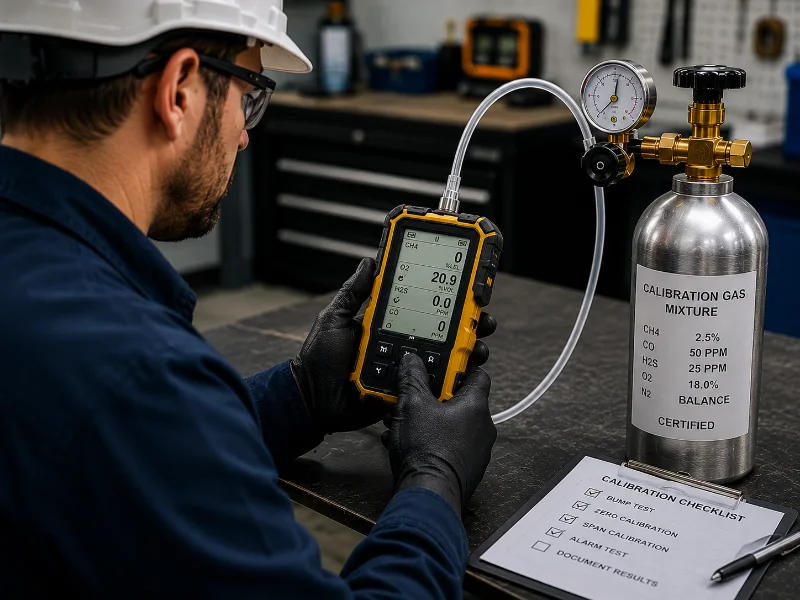
Routine calibration helps ensure accurate gas readings when worker safety depends on them.
Why Gas Detector Calibration Matters
Portable gas detectors are precision instruments that naturally drift over time. Exposure to harsh environments, everyday use, aging sensors, and changing environmental conditions can all affect the accuracy of a detector. Because of this, manufacturers recommend regular calibration to maintain dependable performance.
Without routine calibration, workers may unknowingly rely on inaccurate readings that create a false sense of security. A properly calibrated detector helps ensure dangerous gases are identified before they become a threat to employee safety.
Regular calibration helps:
- Improve worker safety
- Maintain accurate sensor readings
- Reduce equipment failures
- Support OSHA compliance
- Extend equipment reliability
Calibration vs. Bump Testing
Although the terms are often used interchangeably, calibration and bump testing serve different purposes. Both are essential parts of an effective gas detection program, but each verifies a different aspect of detector performance.
A bump test is a quick functional check that exposes the detector to a known concentration of gas to verify the sensors respond correctly and alarms activate. It confirms the detector is functioning but does not adjust sensor accuracy.
Calibration goes one step further by adjusting the sensors to certified gas concentrations, restoring the detector to manufacturer specifications and ensuring accurate measurements.
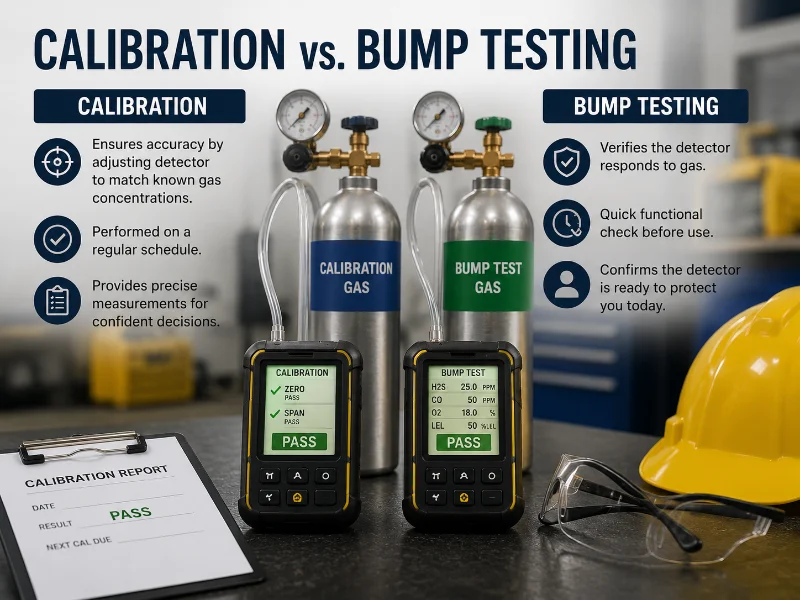
Bump testing verifies detector response while calibration restores measurement accuracy.
OSHA and Industry Requirements
OSHA requires employers to maintain safety equipment in reliable operating condition whenever employees depend on it for protection. While calibration intervals are generally established by the equipment manufacturer, following those recommendations helps demonstrate a proactive safety program and supports regulatory compliance.
Organizations that maintain accurate calibration records are also better prepared for audits and equipment inspections.
Routine calibration helps organizations:
- Demonstrate equipment maintenance
- Support compliance programs
- Improve inspection readiness
- Protect employees working in hazardous atmospheres
Industries That Depend on Gas Detection
Many industries rely on portable gas detectors every day to protect employees from invisible atmospheric hazards. Manufacturing facilities, utility companies, wastewater treatment plants, chemical processors, and construction contractors often require gas monitoring before work begins.
Confined space entry, maintenance shutdowns, tank inspections, and emergency response activities all depend on accurate atmospheric monitoring. Regular calibration helps ensure these detectors continue performing when worker safety depends on them most.
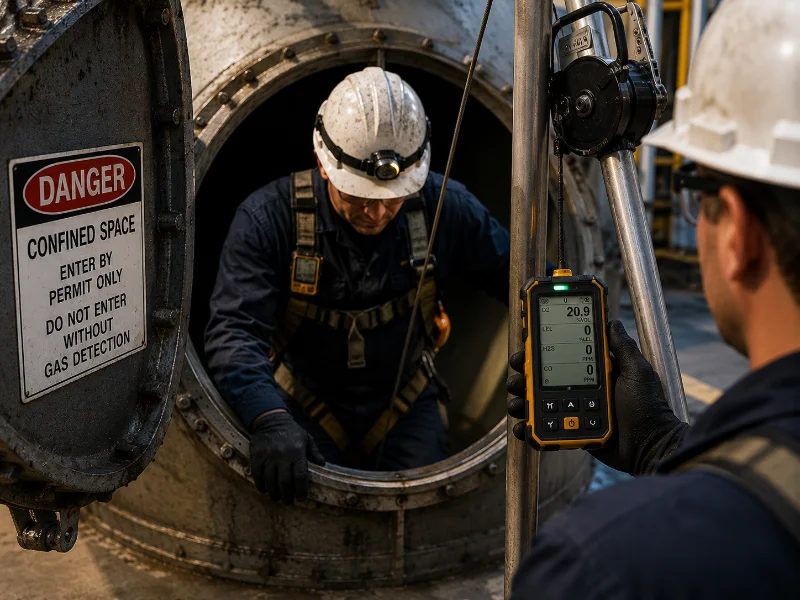
Atmospheric testing helps identify hazardous conditions before workers enter confined spaces.
Industries commonly requiring calibration include:
- Manufacturing
- Construction
- Utilities
- Wastewater
- Oil & Gas
- Chemical Processing
- Emergency Response
- Confined Space Operations
How Advanced Safety & Industrial Supply Can Help
At Advanced Safety & Industrial Supply, we understand that gas detection programs are only as reliable as the equipment behind them. Our calibration services help organizations maintain accurate instruments while reducing downtime and improving confidence in the equipment employees use every day.
Whether your organization manages a few portable monitors or an entire fleet of gas detectors, regular calibration helps protect both your employees and your investment.
Our services help you:
- Verify detector accuracy
- Restore sensor performance
- Maintain service documentation
- Improve equipment reliability
- Support workplace safety programs
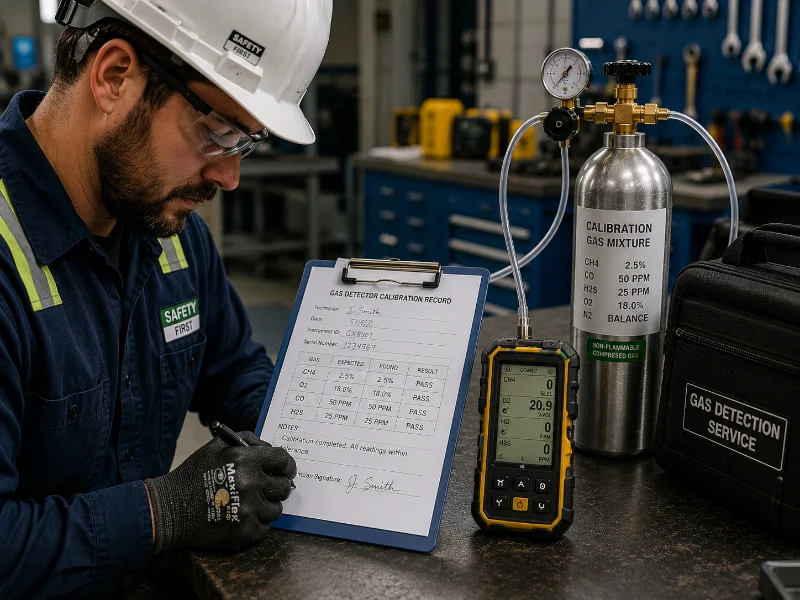
Professional calibration services help keep gas detection programs operating reliably.
Frequently Asked Questions
How often should gas detectors be calibrated?
Most manufacturers recommend calibration every 30 to 180 days, depending on the instrument, sensor type, and operating environment. Always follow the manufacturer's recommendations.
What is the difference between a bump test and calibration?
A bump test confirms the detector responds to gas and activates alarms. Calibration adjusts the sensors to restore accurate measurements.
Does OSHA require gas detector calibration?
OSHA requires employers to maintain equipment in proper working condition. Following manufacturer calibration recommendations is considered a best practice for compliance and worker protection.
Can I calibrate gas detectors myself?
Some organizations perform in-house calibrations using certified calibration gas and manufacturer-approved equipment. Others choose professional calibration services to ensure documentation and consistency.
Why is calibration important?
A gas detector cannot protect workers if it provides inaccurate readings. Routine calibration helps ensure employees receive dependable warnings before hazardous exposures occur.
Conclusion
Gas detectors are one of the most important pieces of personal safety equipment in many industrial environments—but only when they are properly maintained. Routine calibration and bump testing help ensure your equipment continues providing accurate information when workers need it most.
Investing in regular gas detector calibration supports compliance, improves reliability, and most importantly, helps protect your workforce from invisible hazards.
Keep Your Gas Detection Program Accurate
Need help maintaining your portable gas detectors?
Advanced Safety & Industrial Supply provides professional gas detector calibration services to help keep your equipment accurate, compliant, and ready for the job.
Contact us today to learn more or request a quote.
- Safety Services
- Respirator Fit Testing
- Confined Space Equipment
- Portable Gas Detectors
- Calibration Gas Cylinders
- Industrial Hygiene Services


