


Roadway Construction Work Zone Safety: What the Latest Fatality Data Means for Employers
Fatal crashes in construction work zones rose significantly, with 568 deaths in 2023. This alarming trend calls for tightened roadway protection strategies. Learn about essential PPE, effective traffic control equipment, and critical operational controls to enhance work zone safety and mitigate risks for both workers and drivers.
Fatal Work Zone Crashes Are Rising — And That Should Get Everyone’s Attention
Recent data from CPWR – The Center for Construction Research and Training shows a troubling trend:
In 2023, 568 people died in 514 fatal crashes in construction work zones.
Back in 2012, those numbers were 439 deaths across 392 crashes. That’s a 29–31% increase over a 12-year period.
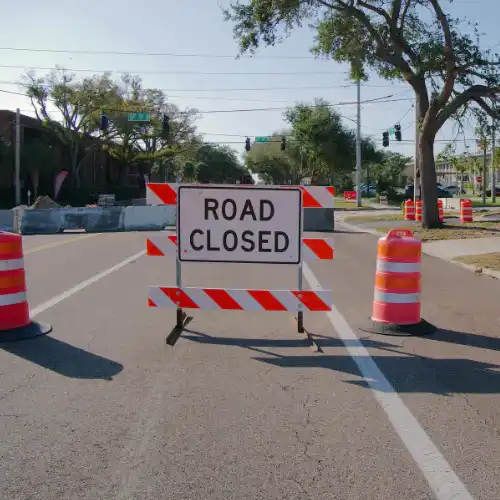
A construction work zone is defined as any area where road repair work is being performed — whether it’s long-term bridge construction, lane expansions, or roadway resurfacing. These aren’t minor fender benders. These are catastrophic events affecting workers, drivers, and families.
For safety managers, plant managers, and purchasing professionals, this is more than a statistic. It’s a call to tighten roadway protection strategies now.
Transportation-Related Injuries: The Bigger Picture
While overall transportation-related deaths in construction have fluctuated slightly — dropping from 266 in 2012 to 256 in 2023 — roadway incidents remain the leading cause of transportation injuries and fatalities.
Key findings:
- 5,400 injuries and 161 deaths were tied to roadway incidents.
- Specialty trade contractors accounted for:
- 71.1% of transportation-related injuries
- 50.6% of transportation-related deaths
- Texas and Florida reported the highest number of transportation-related construction deaths.
- South Carolina and Michigan had the highest death rates per 100,000 workers.
Even though injury and fatality rates per worker have slightly decreased over time, the raw number of fatal crashes in work zones continues to rise — meaning exposure risk remains high.

Why Roadway Work Zones Are So Dangerous
Work zones combine:
- Moving traffic at high speeds
- Heavy equipment
- Limited visibility
- Shifting traffic patterns
- Distracted drivers
- Night operations
- Workers on foot
Without proper engineering controls and PPE, the risk multiplies quickly.
That’s why roadway safety must be layered, not singular.
Essential PPE for Construction Work Zones
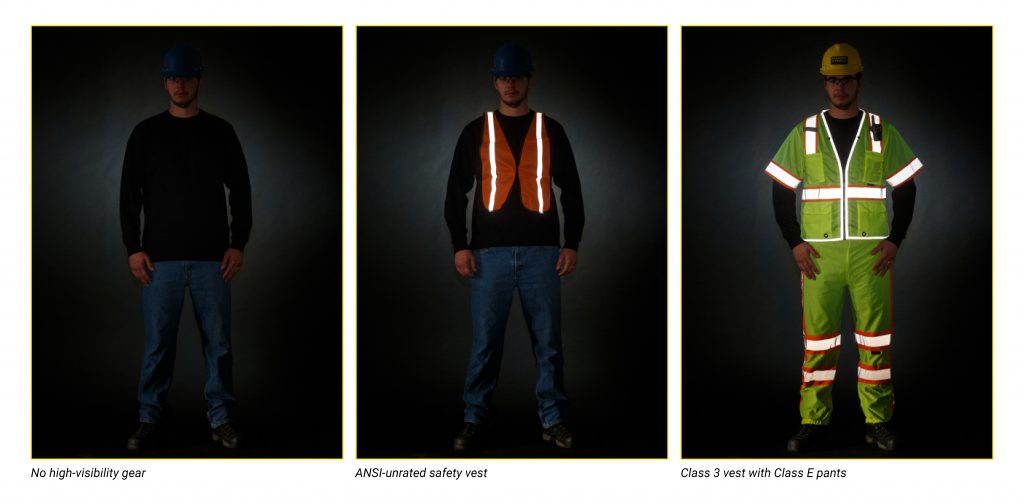
1. ANSI High-Visibility Apparel (Class 2 & Class 3)
- Bright fluorescent material
- Reflective striping for day and night visibility
- Required for workers exposed to traffic
2. Hard Hats with Reflective Markings
- ANSI-rated head protection
- Added reflective tape for low-light conditions
3. Impact-Resistant Eye Protection
- Protects from debris and wind-blown material
- Protect hands during equipment handling and material movement
- Slip-resistant soles
- Puncture protection
- Electrical hazard protection when required
Traffic Control Equipment That Saves Lives
Roadway safety isn’t just PPE — it’s engineered protection:
- Traffic cones with reflective collars
- Water-filled and impact-rated barriers
- Temporary barricades
- Arrow boards and message boards
- Delineators and channelizers
- Impact-rated bollards near pedestrian or facility entrances
- Proper signage per MUTCD guidelines
When traffic control devices are poorly placed, underweighted, or non-impact rated, they create a false sense of security — something no safety director can afford.
Four Critical Operational Controls (Based on CPWR Safety Focus Areas)
1. Pre-Operation Checks
- Inspect vehicles and heavy equipment daily
- Verify backup alarms and lighting
- Confirm mirrors and cameras are clean and functional
2. Driving Protocols
- Establish site-specific speed limits
- Define haul routes
- Enforce seatbelt use
3. Backing Procedures
- Use spotters
- Implement backup cameras
- Designate no-go zones
4. Parking & Equipment Staging
- Separate pedestrian and vehicle traffic
- Use wheel chocks and proper stabilization
- Maintain clear visibility zones

How Advanced Safety & Industrial Supply Supports Work Zone Safety
At Advanced Safety & Industrial Supply, we provide:
- High-visibility apparel for every exposure level
- Hard hats, eye protection, gloves, and footwear
- Cones, barricades, delineators, and channelizers
- Impact-rated bollards and facility protection
- Arrow boards and signage
- Jobsite safety training
- Customized safety assessments
- OSHA compliance support
We work with safety directors, plant managers, and purchasing teams to build site-specific roadway protection strategies — not generic solutions.

Proactive Steps Safety Managers Can Take Today
- Conduct a work zone hazard assessment
- Audit all traffic control devices for visibility and rating
- Verify ANSI compliance on all high-visibility garments
- Implement a written backing and spotter policy
- Review transportation incident data annually
- Provide refresher roadway safety training
Roadway safety should be part of every site’s core safety culture.



