


Work Zone Safety: Why the Risks Are Rising—and How to Protect Your Crew
Work zone risks are increasing due to higher traffic volumes, distracted driving, and reduced visibility. Learn how proper PPE, visibility standards, and safety planning can protect your crew and reduce exposure to serious hazards in active roadway environments.
The Growing Risk in Work Zones
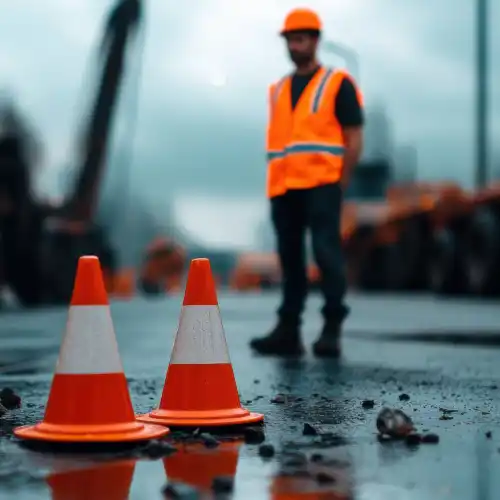
Work zones have always presented hazards, but recent data shows that risks are increasing at an alarming rate. With more infrastructure projects underway and higher traffic volumes, workers are being exposed to faster-moving vehicles and more unpredictable driving behavior.
According to the Federal Highway Administration, hundreds of fatalities occur in work zones each year, with thousands more injuries reported. A significant portion of these incidents involve workers being struck by vehicles—often due to limited visibility or distracted driving.
Key Risk Factors:
- Increased traffic speeds near work zones
- Distracted or impaired drivers
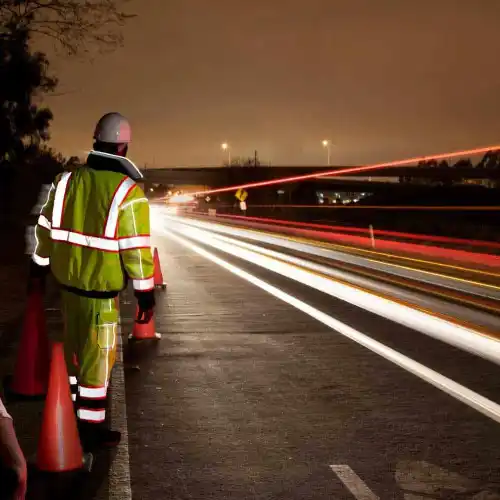
- Reduced visibility during night operations
- Constantly changing work environments
The Critical Role of PPE in Work Zone Safety
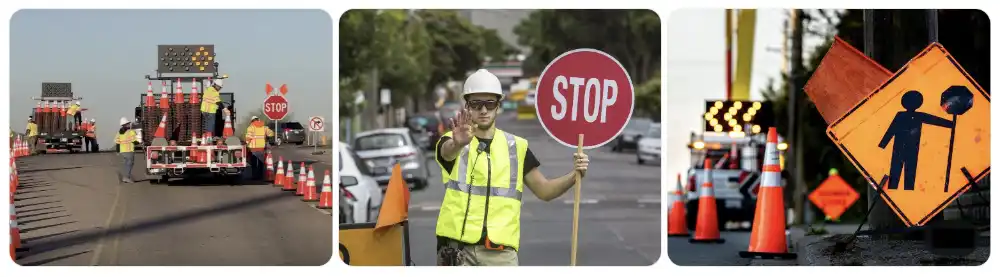
Personal protective equipment (PPE) is often the last line of defense in work zone environments. When engineering controls and traffic barriers fall short, PPE ensures that workers remain visible and protected from immediate hazards.
However, not all PPE provides the same level of protection. Selecting the correct gear based on job conditions is essential for reducing risk.
Essential PPE for Work Zones:
- ANSI Class 2 or Class 3 high-visibility apparel
- Hard hats with reflective striping
- Cut-resistant gloves for debris handling
- Slip-resistant safety footwear
Visibility Can Mean the Difference Between Life and Death
Visibility is one of the most critical factors in preventing work zone accidents. Workers who are not easily seen—especially during low-light or high-speed conditions—are at significantly greater risk of being struck.
The Occupational Safety and Health Administration emphasizes that high-visibility clothing must match the risk level of the environment. For example, Class 3 garments provide the highest level of visibility and are often required for highway or high-speed traffic zones.
Visibility Best Practices:
- Use Class 3 garments for high-speed roadways
- Ensure reflective materials are clean and intact
- Replace worn or faded high-vis gear
- Train workers on visibility compliance
Work Zone Safety by the Numbers
Understanding the data behind work zone incidents helps safety managers make informed decisions.
- Over 800 fatalities occur annually in work zones (FHWA data)
- Roughly 1 in 5 deaths involve workers on foot
- Thousands of injuries occur each year due to struck-by incidents
- Night work increases risk due to reduced visibility
Real-World Hazard Example
In a recent OSHA case, a road construction company faced significant penalties after a worker was struck by a vehicle in an active work zone. Investigations revealed that proper traffic control measures and high-visibility PPE were not fully implemented.
This incident could have been prevented with:
- Proper PPE enforcement
- Clear traffic control systems
- Worker visibility compliance
Final Thoughts: Safety Requires a System
Work zone safety isn’t about one piece of equipment—it’s about creating a system that protects workers at every level. From PPE selection to training and hazard awareness, every detail matters.
Partner with Advanced Safety & Industrial Supply to ensure your team is equipped with the right PPE, training, and safety strategies to reduce risk in every work zone.
Let’s evaluate your current safety program and identify opportunities for improvement.


