


Winter Workwear & Cold Weather PPE: Protecting Workers in Extreme Conditions
Cold weather doesn’t just make work uncomfortable — it makes it dangerous.
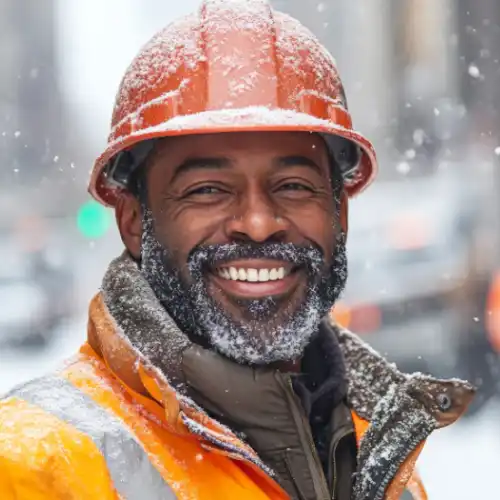



Every winter, workers across construction sites, utility crews, warehouses, and outdoor facilities face increased risks from cold stress, reduced dexterity, fatigue, and slips. Without proper winter PPE, these risks can quickly turn into injuries, lost productivity, and costly downtime.
At Advanced Safety & Industrial Supply, we help safety leaders prepare teams for cold conditions with the right winter workwear and cold-weather PPE — because staying warm is a safety strategy, not a luxury.

What Happens When Workers Aren’t Properly Protected?
Cold exposure affects the body in ways that directly increase injury risk:
-
Numb hands reduce grip strength and tool control
-
Stiff joints slow reaction times
-
Cold fatigue impacts focus and decision-making
-
Reduced mobility increases slip, trip, and fall incidents
Real-World Example
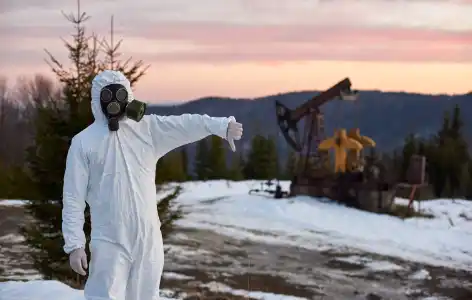
A utility worker performing routine outdoor maintenance in freezing temperatures removed insulated gloves “just for a few minutes” to improve dexterity. Within moments, numb fingers caused a dropped tool and hand injury. What could have been prevented with the right cold-weather gloves turned into medical treatment and lost work time.
The Hidden Costs of Cold Stress
Failing to dress properly for cold conditions can lead to:
-
Cold stress and hypothermia
-
Frostbite on fingers, toes, ears, and face
-
Increased accident rates from slips and poor coordination
-
Lower productivity as workers slow down or take unplanned breaks
-
Higher workers’ comp costs and absenteeism
The cost of winter PPE is minimal compared to the financial and human impact of winter-related injuries.
Essential Winter Workwear & Cold-Weather PPE
Insulated Hand Protection
Cold hands are slow hands. Winter gloves should:
-
Maintain flexibility in freezing temps
-
Provide grip on wet or icy surfaces
-
Balance warmth with dexterity
Layered Winter Workwear
The most effective winter protection uses layers:
-
Base layer: Moisture-wicking to keep skin dry
-
Mid layer: Insulation to trap body heat
-
Outer layer: Wind- and waterproof protection
Winter Foot Protection
Cold, wet feet lead to slips and fatigue. Look for:
-
Slip-resistant soles
-
Waterproof construction
-
Thermal insulation
-
Safety toe compliance
Head & Face Protection
Up to 10% of body heat is lost through the head, even more in wind. Cold-weather head protection may include:
Tools That Help Workers Stay Safe in Cold Weather
In addition to proper PPE, several tools help teams manage cold exposure:
-
Wind Chill Calculators – Estimate how cold it feels based on temperature and wind speed
-
Cold Stress Awareness Charts – Show risk levels for frostbite and hypothermia
-
Work/Rest Schedules – Plan warm-up breaks during extended cold exposure
-
Layering Guides – Help workers dress correctly for changing conditions
These tools work best when paired with the right PPE — gear designed for cold environments, not just heavier versions of standard workwear.
Winter PPE Is an Investment, Not an Expense
A worker properly protected from the cold is:
-
More alert
-
More productive
-
Less likely to be injured
-
More likely to finish the job safely
At Advanced Safety & Industrial Supply, we help safety managers and purchasing teams select winter PPE that matches real-world conditions — from insulated gloves and jackets to cold-weather head and foot protection.
Let our team help your facility reduce citations, prevent accidents, and protect your workforce.
Call (615) 283-8794 or Contact Us now.




Every winter, workers across construction sites, utility crews, warehouses, and outdoor facilities face increased risks from cold stress, reduced dexterity, fatigue, and slips. Without proper winter PPE, these risks can quickly turn into injuries, lost productivity, and costly downtime.
At Advanced Safety & Industrial Supply, we help safety leaders prepare teams for cold conditions with the right winter workwear and cold-weather PPE — because staying warm is a safety strategy, not a luxury.
What Happens When Workers Aren’t Properly Protected?
Cold exposure affects the body in ways that directly increase injury risk:
-
Numb hands reduce grip strength and tool control
-
Stiff joints slow reaction times
-
Cold fatigue impacts focus and decision-making
-
Reduced mobility increases slip, trip, and fall incidents
Real-World Example
A utility worker performing routine outdoor maintenance in freezing temperatures removed insulated gloves “just for a few minutes” to improve dexterity. Within moments, numb fingers caused a dropped tool and hand injury. What could have been prevented with the right cold-weather gloves turned into medical treatment and lost work time.
The Hidden Costs of Cold Stress
Failing to dress properly for cold conditions can lead to:
-
Cold stress and hypothermia
-
Frostbite on fingers, toes, ears, and face
-
Increased accident rates from slips and poor coordination
-
Lower productivity as workers slow down or take unplanned breaks
-
Higher workers’ comp costs and absenteeism
The cost of winter PPE is minimal compared to the financial and human impact of winter-related injuries.
Essential Winter Workwear & Cold-Weather PPE
Insulated Hand Protection
Cold hands are slow hands. Winter gloves should:
-
Maintain flexibility in freezing temps
-
Provide grip on wet or icy surfaces
-
Balance warmth with dexterity
Layered Winter Workwear
The most effective winter protection uses layers:
-
Base layer: Moisture-wicking to keep skin dry
-
Mid layer: Insulation to trap body heat
-
Outer layer: Wind- and waterproof protection
Winter Foot Protection
Cold, wet feet lead to slips and fatigue. Look for:
-
Slip-resistant soles
-
Waterproof construction
-
Thermal insulation
-
Safety toe compliance
Head & Face Protection
Up to 10% of body heat is lost through the head, even more in wind. Cold-weather head protection may include:
Tools That Help Workers Stay Safe in Cold Weather
In addition to proper PPE, several tools help teams manage cold exposure:
-
Wind Chill Calculators – Estimate how cold it feels based on temperature and wind speed
-
Cold Stress Awareness Charts – Show risk levels for frostbite and hypothermia
-
Work/Rest Schedules – Plan warm-up breaks during extended cold exposure
-
Layering Guides – Help workers dress correctly for changing conditions
These tools work best when paired with the right PPE — gear designed for cold environments, not just heavier versions of standard workwear.
Winter PPE Is an Investment, Not an Expense
A worker properly protected from the cold is:
-
More alert
-
More productive
-
Less likely to be injured
-
More likely to finish the job safely
At Advanced Safety & Industrial Supply, we help safety managers and purchasing teams select winter PPE that matches real-world conditions — from insulated gloves and jackets to cold-weather head and foot protection.
