


Why Annual Safety Training Isn't Enough
Many organizations conduct safety training to meet requirements, but effective safety programs go beyond annual sessions. Learn how ongoing employee training helps reduce injuries, improve compliance, strengthen safety culture, and create a more engaged workforce prepared to recognize and respond to workplace hazards.
.webp)
Why Annual Safety Training Isn't Enough
Many organizations view safety training as a yearly requirement.
Employees attend a session, sign a roster, and return to work.
While annual training may satisfy certain regulatory requirements, effective workplace safety requires continuous education, reinforcement, and engagement throughout the year.
The most successful safety programs don't treat training as an event.
They treat training as an ongoing process that influences employee behavior every day.
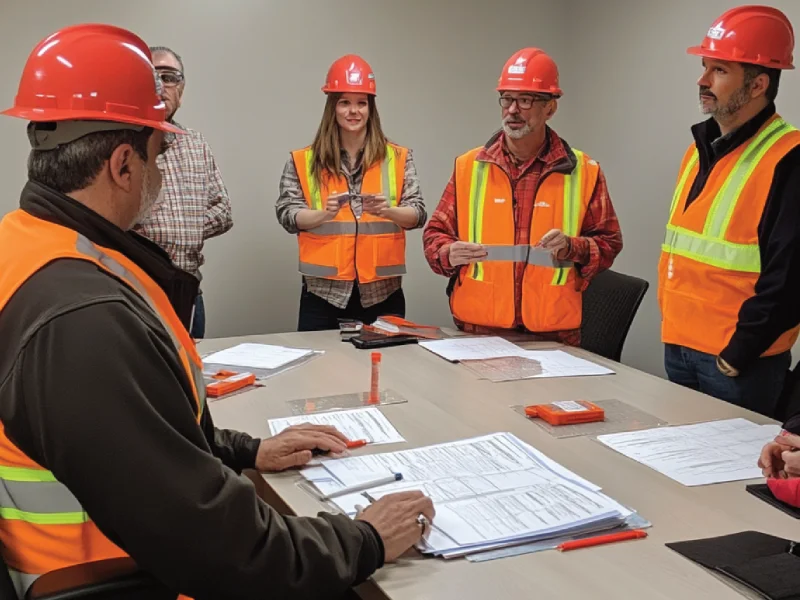
The Problem With One-Time Training
People forget information.
Studies consistently show that employees retain only a portion of information presented during a single training event.
Without reinforcement, workers may forget:
- Safe work procedures
- PPE requirements
- Emergency response actions
- Hazard recognition techniques
- Equipment operating procedures
Training that is never reinforced often becomes training that is forgotten.
Why Ongoing Safety Training Matters
Continuous training helps employees remain focused on workplace hazards and safety expectations.
Organizations that prioritize ongoing training often experience:
- Better hazard recognition
- Improved employee engagement
- Fewer workplace injuries
- Stronger compliance efforts
- Greater accountability
When employees understand both the "what" and the "why" behind safety procedures, they are more likely to follow them consistently.

Building a Strong Safety Culture
Training plays a critical role in shaping workplace culture.
A strong safety culture develops when employees:
- Understand expectations
- Receive regular coaching
- Participate in safety discussions
- Report concerns without fear
- Take ownership of workplace safety
Safety culture is not created through policies alone. It is built through consistent communication and education.
What Effective Safety Training Should Include
The most effective programs combine multiple training methods.
Examples include:
- Instructor-led training
- Toolbox talks
- Hands-on demonstrations
- Refresher training
- Site-specific instruction
- New employee orientation
- Incident review discussions
Organizations should tailor training to the actual risks employees face on the job.
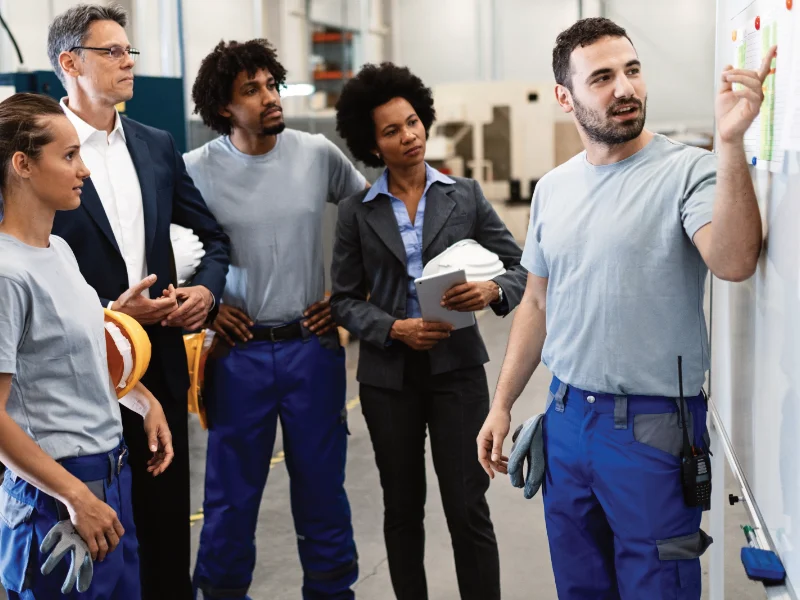
Common Training Gaps Employers Overlook
Even organizations with strong safety programs sometimes overlook important training needs.
Common gaps include:
- Incomplete documentation
- Infrequent refresher training
- New hazard communication
- Temporary worker onboarding
- Supervisor training
- Equipment-specific instruction
Training gaps often become compliance gaps.

How Advanced Safety & Industrial Supply Can Help
Advanced Safety & Industrial Supply provides customized workplace safety training designed to help employers improve safety performance and maintain compliance.
Our training services can support:
- OSHA compliance efforts
- Hazard communication programs
- Fall protection training
- Respiratory protection programs
- Confined space awareness
- PPE education
- Safety leadership development
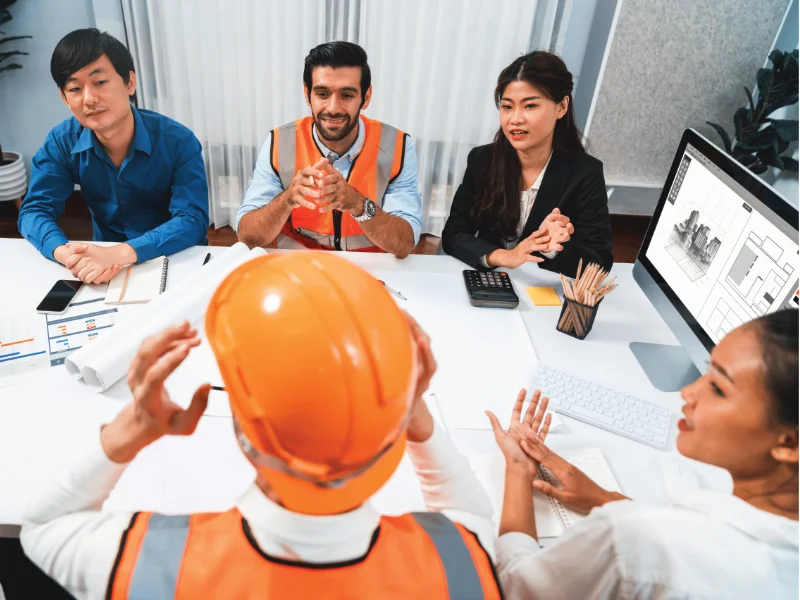
Training Is an Investment, Not an Expense
The most effective organizations understand that safety training is more than a compliance requirement.
It is an investment in:
- Employee wellbeing
- Operational performance
- Productivity
- Risk reduction
- Long-term business success
Employees cannot follow procedures they have never been taught.
Ready to Strengthen Your Safety Training Program?
Advanced Safety & Industrial Supply can help develop and deliver workplace safety training tailored to your facility, employees, and operational risks.
Request Information About Our Safety Training Services Today.

RELATED BLOG LINKS
- Preparing for an OSHA Inspection Before OSHA Arrives
- Can You Spot Every Hazard? Why Facility Safety Audits Matter
- Respirator Fit Testing: Why Proper Fit Matters
- Fall Protection Training: Reducing Workplace Risk
- Confined Space Training: Protecting Workers in High-Risk Environments
Respirator Fit Testing: Why Proper Fit Matters


