


Work Zone Safety Compliance: Are Your Crews Truly Protected?
Work zone safety goes beyond cones and high-visibility apparel. Staying compliant with ANSI visibility standards, OSHA regulations, and MUTCD requirements helps reduce injuries, avoid citations, and keep crews protected in high-risk environments. Learn how regular work zone safety evaluations can improve compliance, increase visibility, and create safer roadway operations.
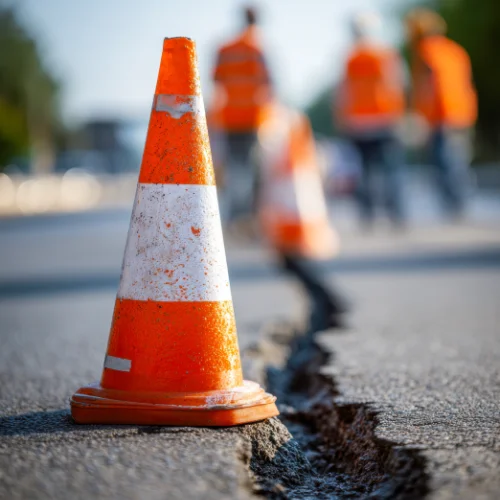
When most companies think about roadway safety, they immediately picture high-visibility vests, traffic cones, and warning signs. While those elements are critical, true work zone safety involves much more than basic PPE and traffic control devices.
Compliance plays a major role in protecting workers, reducing liability, and maintaining safe operations.
From ANSI visibility standards to MUTCD traffic control guidelines and OSHA regulations, companies operating in roadway and work zone environments face increasing pressure to ensure crews remain compliant and protected at all times.
Unfortunately, many organizations unknowingly expose themselves to unnecessary risk because their work zone setup has not been reviewed recently.
Why Work Zone Compliance Matters
Roadway and highway work zones remain among the most hazardous environments in construction and industrial operations. Workers face constant exposure to:
- Moving traffic
- Distracted drivers
- Reduced visibility conditions
- Nighttime operations
- Changing weather
- Limited escape routes
Even a small compliance oversight can lead to serious injuries, OSHA citations, project shutdowns, or liability concerns.
That’s why organizations should routinely evaluate whether their current setup aligns with:
- ANSI/ISEA visibility standards
- MUTCD traffic control requirements
- OSHA roadway safety regulations
- Site-specific safety procedures

Common Compliance Gaps Companies Overlook
Many companies believe they are compliant simply because employees wear reflective apparel. However, compliance gaps often exist in areas such as:
High-Visibility Apparel Selection
Not all garments are designed for the same environments. Workers near high-speed traffic may require higher visibility classifications depending on exposure risks and job duties.
Improper Traffic Control Device Placement
Cones, drums, barricades, and signage must be positioned correctly to provide adequate driver reaction time and safe worker separation.
Damaged or Faded Safety Equipment
Worn reflective materials, faded signage, or damaged barriers can significantly reduce visibility and effectiveness.
Inadequate Nighttime Visibility
Low-light and nighttime work zones often require enhanced visibility solutions including additional lighting, reflective materials, and illuminated warning systems.
Lack of Routine Safety Evaluations
Work zone conditions constantly change. Regular reviews help identify hazards before incidents occur.
The Role of ANSI, MUTCD, and OSHA
ANSI Standards
ANSI visibility standards help determine the appropriate level of high-visibility apparel based on roadway speed, worker tasks, and environmental conditions.
MUTCD Guidelines
The Manual on Uniform Traffic Control Devices (MUTCD) establishes standards for traffic control devices used on public roadways to create consistent, recognizable traffic patterns for drivers.
OSHA Regulations
OSHA requires employers to provide a workplace free from recognized hazards, including roadway and struck-by risks.
Together, these standards help organizations create safer and more compliant work zones.
Creating a Safer Work Zone Strategy
Improving work zone safety does not always require a complete overhaul. Small proactive changes can make a major difference, including:
- Conducting routine work zone inspections
- Replacing worn or damaged safety equipment
- Upgrading high-visibility PPE
- Reviewing signage and barrier placement
- Training employees on roadway hazards
- Evaluating nighttime visibility procedures
Companies that proactively review their work zone setup often experience:
- Improved worker confidence
- Better compliance readiness
- Reduced incident potential
- Stronger operational efficiency
Advanced Safety Supply Can Help
At Advanced Safety Supply, we help organizations improve roadway and work zone safety with solutions designed to support visibility, compliance, and worker protection.
From high-visibility apparel and traffic control products to safety training and hazard evaluations, our team works with companies across construction, manufacturing, utilities, municipalities, and industrial environments to help create safer job sites.
Whether you are reviewing your current compliance strategy or upgrading your roadway safety equipment, we are here to help.
Concerned about your current work zone setup?
Contact Advanced Safety Supply to discuss roadway safety solutions, visibility products, and compliance support designed to help keep your crews protected.


